by CPI Staff | Sep 18, 2025 | AI, Blog, LLM
In this blog post The Autonomy of Tensors for Smarter we will explore what gives tensors their “autonomy,” why it matters for both engineers and leaders, and how to put it to work in production. Tensors are often described as multi‑dimensional arrays. That’s true, but...
by CPI Staff | Sep 15, 2025 | AI, Blog, LLM
In this blog post Preparing Input Text for Training LLMs that Perform in Production we will walk through the decisions and steps that make training data truly useful. Whether you’re pretraining from scratch or fine-tuning an existing model, disciplined data prep is...
by CPI Staff | Sep 15, 2025 | AI, Blog, LLM, PyTorch
In this blog post Best Practices for Loading and Saving PyTorch Weights in Production we will map out the practical ways to persist and restore your models without surprises. Whether you build models or manage teams shipping them, understanding how PyTorch saves...
by CPI Staff | Sep 15, 2025 | AI, Blog, LLM
In this blog post Practical ways to fine-tune LLMs and choosing the right method we will walk through what fine-tuning is, when you should do it, the most useful types of fine-tuning, and a practical path to ship results. Large language models are astonishingly...
by CPI Staff | Sep 15, 2025 | AI, Blog, Neo4j
In this blog post What Are Cypher Queries and How They Power Graph Databases at Scale we will unpack what Cypher is, why it matters, and how to use it effectively. We will keep things practical, with examples and tips you can apply today. Cypher in a nutshell Cypher...
by CPI Staff | Sep 15, 2025 | AI, Blog, LLM, RAG
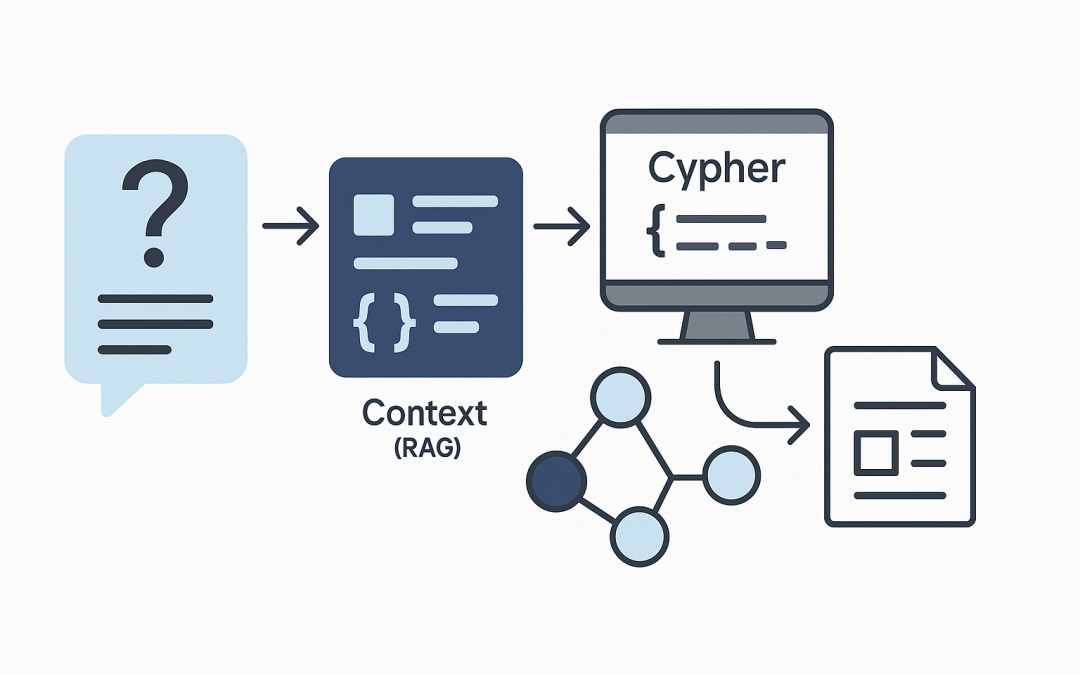
In this blog post Use Text2Cypher with RAG for dependable graph-based answers today we will show how to turn natural-language questions into precise Cypher queries and reliable answers over your graph data. Before diving into code, let’s clarify the idea. Text2Cypher...