by CPI Staff | Aug 27, 2026 | AI Agents, AI Governance & Risk Management, AI Vendor Selection & Implementation, Blog
In this blog post How to Choose the Right AI Sandbox Provider for Your Business we will explain what to compare, which questions to ask and how to avoid paying for a platform that creates more risk than it removes. Your team wants AI agents to analyse documents, test...
by CPI Staff | Aug 27, 2026 | AI Agents, AI Governance & Risk Management, Blog, Microsoft AI Foundry
In this blog post Azure AI Agents Reach GA What CIOs Must Assess Before Scaling we will explain what Microsoft’s general availability milestone means, how the platform works, and what technology leaders should review before expanding from one promising agent to an...
by CPI Staff | Aug 26, 2026 | AI Agents, AI Governance & Risk Management, Blog, Microsoft AI Foundry
In this blog post From AI Proof of Concept to Production Using Foundry and A2A we will explain how to turn a promising AI agent demonstration into a secure, measurable and supportable business service. Many organisations can build an agent that answers questions or...
by CPI Staff | Aug 25, 2026 | AI for Business & AI Strategy, AI Governance & Risk Management, AI Vendor Selection & Implementation, Blog
In this blog post Why Forward Deployed Engineers Make AI Transformation Succeed we will explain why promising AI trials often stall, how this role connects strategy with delivery, and what technology is required to produce secure, measurable business results. Many...
by CPI Staff | Aug 25, 2026 | AI for Business & AI Strategy, AI Governance & Risk Management, Blog, Cybersecurity Strategy & Governance
In this blog post How to Create Practical AI Policies Your Employees Will Follow we will explain how to protect business data, reduce legal risk and give employees clear rules without stopping useful AI adoption. Many organisations already have an AI policy. The...
by CPI Staff | Aug 24, 2026 | AI for Business & AI Strategy, AI Governance & Risk Management, Blog
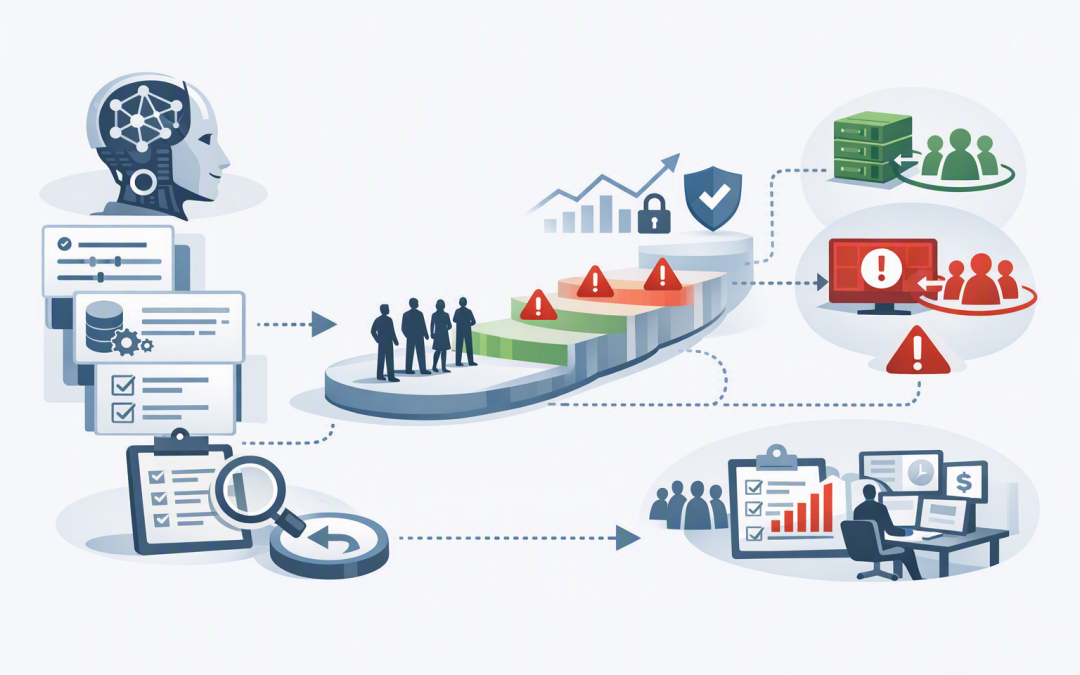
In this blog post How to Manage AI Model and Prompt Changes Safely in Production we will explain how to update business AI systems without creating unexpected errors, higher costs or compliance problems. A small prompt edit or model upgrade can look harmless, yet...